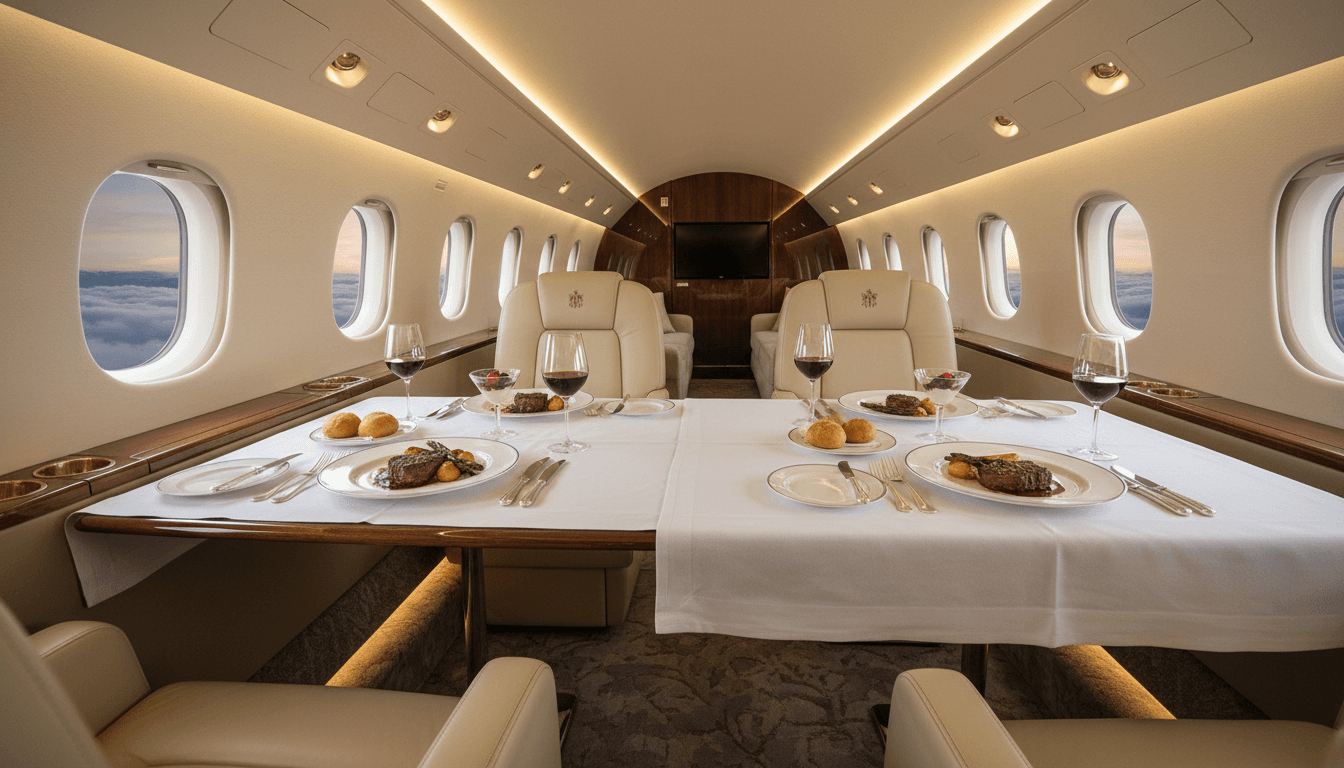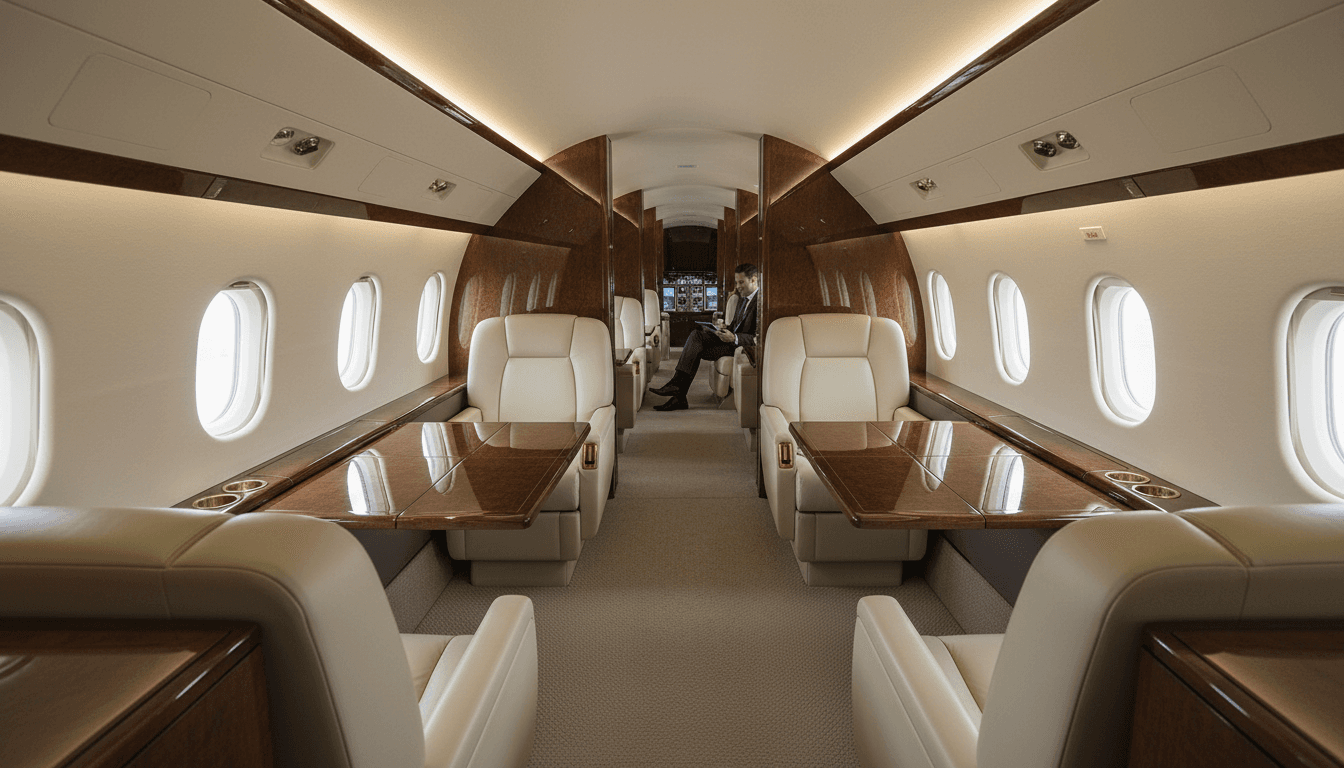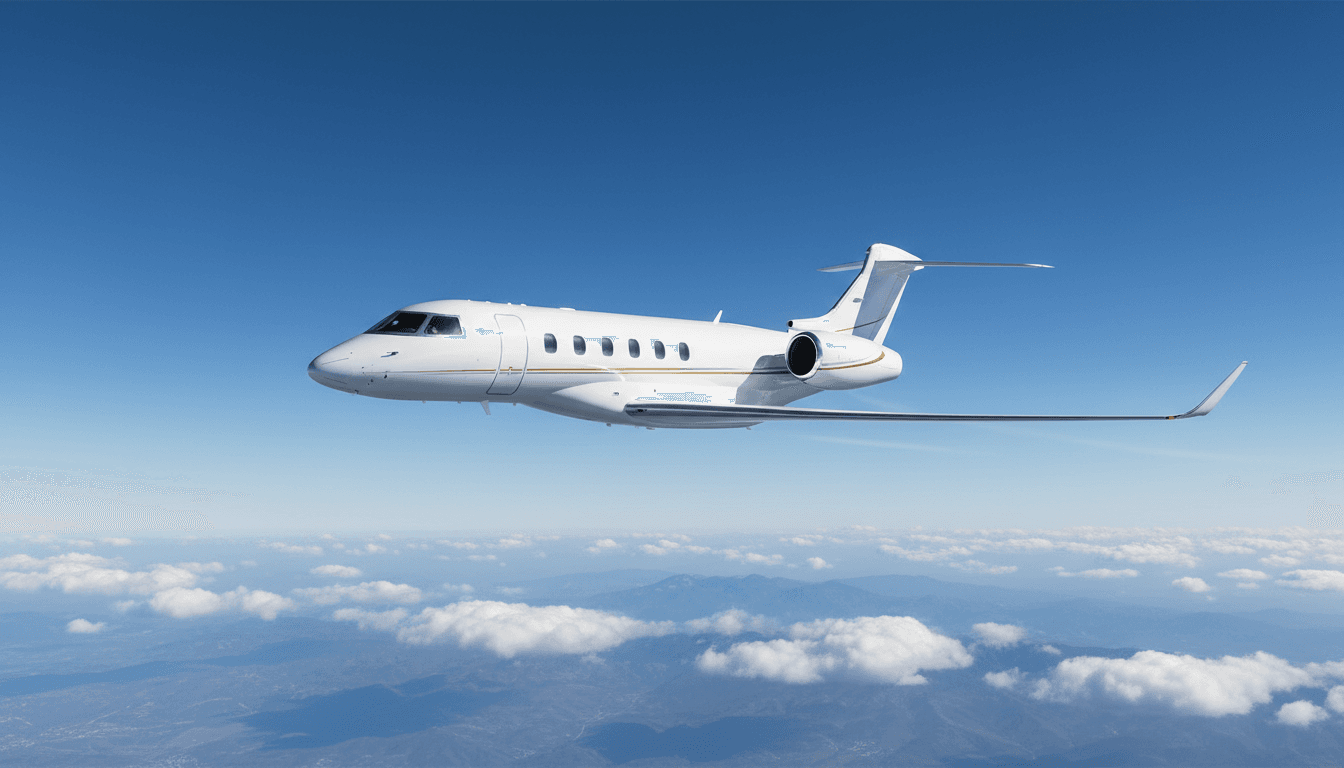
Private jet charter for business travel maximizes executive efficiency by providing direct access to smaller airports and eliminating commercial check-in delays. This mode of transport serves as a vital productivity tool in 2026, offering the privacy and flexibility required for UK business leaders to focus on growth and high-value decision-making.
Commercial aviation was not designed around your schedule, your deal, or your discretion. For UK executives navigating an increasingly compressed business environment in 2026, the friction of crowded terminals, fixed departure windows, and shared cabins is no longer a minor inconvenience; it is a measurable drag on output and opportunity. Private jet charter has moved from perceived luxury to operational logic for a growing number of British businesses, and the decision to charter deserves the same rigour you apply to any strategic investment. In this guide, you will find a practical breakdown of real costs, aircraft selection, the UK routes where charter delivers the strongest case, and a clear comparison of charter, fractional ownership, and jet card models so you can make the right call for your business.
Why UK Executives Are Rethinking Business Travel in 2026
Something changed in the way British executives think about private aviation after the pandemic. For years, chartering a jet sat firmly in the luxury bracket, a perk for the ultra-wealthy rather than a rational business decision. That framing is shifting, and in 2026, it has largely dissolved at the senior leadership level.
The normalisation of flexible working reset how UK executives value their time. When you control where you work, you start scrutinising how long it takes to get there. A managing director based in Birmingham trying to reach Frankfurt for a 10am meeting faces a genuinely difficult commercial schedule, an early connection through Heathrow or Amsterdam, two hours of airport processing, and a journey that consumes most of the working day. The same principle applies from Edinburgh to Paris, or from anywhere in the South East to Zurich.
The UK private jet charter market reflects this shift. Demand from London, Manchester, Birmingham and Edinburgh has grown consistently, driven not by leisure but by senior professionals and SME owners who have done the arithmetic.
That arithmetic is what this guide unpacks. For why private aviation makes sense for UK executives, the answer increasingly comes down to one word: return. Used correctly, private jet charter for business travel does not cost more than commercial travel. For the right executive, on the right route, it pays for itself.
The Real ROI of Private Jet Charter: Time, Productivity and the Cost of Delay

That arithmetic starts with time, and the numbers are more striking than most people expect.
Time
A commercial London to Frankfurt journey, door-to-door, typically runs 4 to 5 hours once you account for the Heathrow check-in window, security queues, boarding, the flight itself, and ground transfer at the other end. Private jet charter for business travel cuts that to under two hours: arrive at Farnborough or Biggin Hill 15 minutes before departure, board directly, and land at Frankfurt's private terminal with no baggage carousel and no queue. On multi-leg European itineraries, the time saving compounds further; research consistently shows that multi-city trips by private charter run 30 to 50 percent faster than equivalent commercial schedules.
Productivity
The hours you do spend in the air shift from dead time to working time. UK senior executive salaries and total compensation packages put the cost of an hour of leadership time at several hundred pounds, often considerably more at board level. A 90-minute private flight from London to Zurich in which a CFO reviews acquisition documents, briefs two colleagues, and takes a confidential call with legal counsel has generated real commercial value. That same journey on a commercial aircraft, through a shared cabin with no guaranteed privacy and unreliable Wi-Fi, produces none of it.
The Cost of Delay
The hidden costs competitors gesture at but rarely quantify include last-minute commercial fares that can reach four figures per seat, fatigue-compromised decision-making on the day of a major negotiation, and the genuine risk of missing a time-sensitive deal because a connecting flight was cancelled.
So is chartering a private jet worth it? For a sole traveller on a budget route, probably not. For a team of four heading to a same-day return in Milan, or an executive whose billable time or deal value dwarfs the charter cost, the business case is straightforward. The question is not whether you can afford it; it is whether you can afford the alternative.
How Much Does It Cost to Charter a Private Jet for Business in the UK
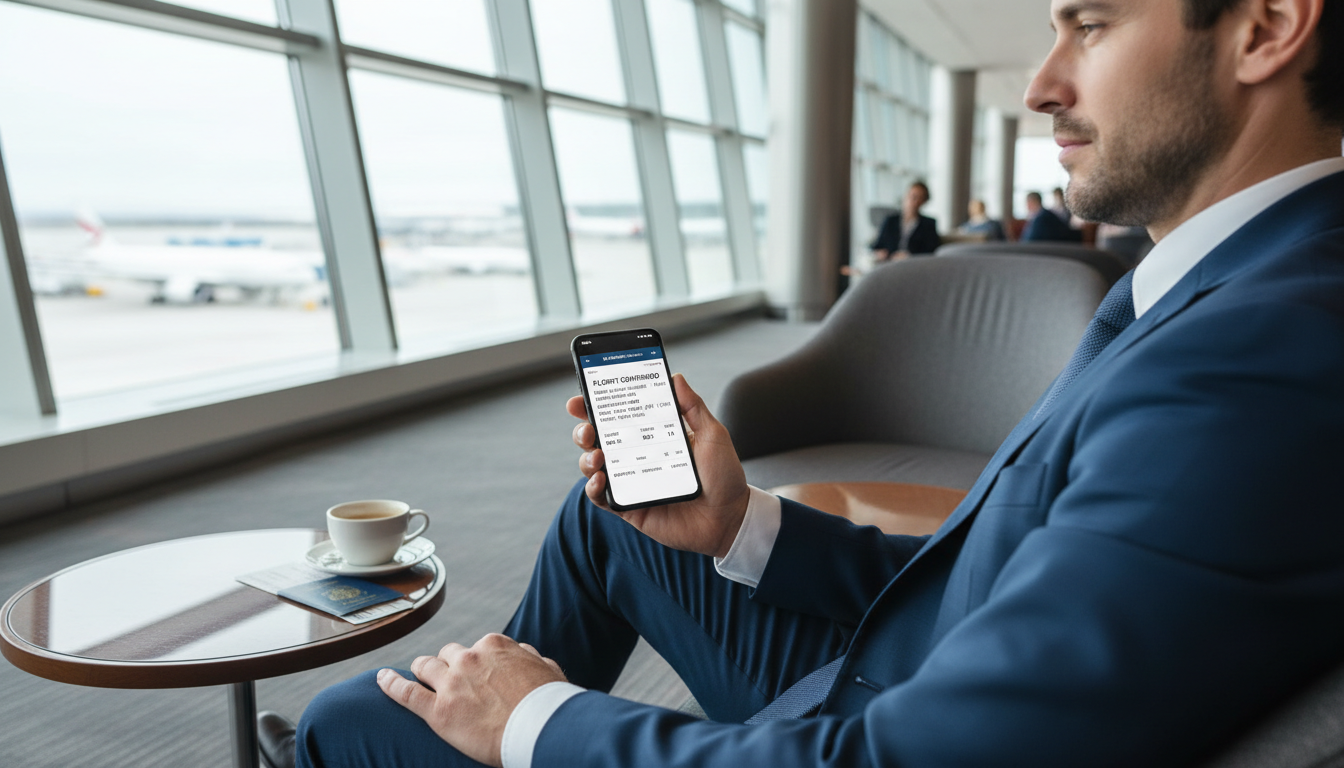
Cost is the question most executives ask first, and it deserves a straight answer rather than a vague "prices vary" non-response.
The table below shows indicative 2025-2026 charter costs for common UK departure routes. These figures reflect one-way pricing and will shift based on routing, seasonality, aircraft availability and whether repositioning is required.
Aircraft Category | Example Route | Indicative Price Range |
|---|---|---|
Turboprop / Very Light Jet | London to Amsterdam | £3,000 - £6,000 |
Light Jet | London to Zurich | £6,000 - £12,000 |
Midsize Jet | London to Milan or Dublin | £8,000 - £16,000 |
Heavy / Long-Range Jet | London to New York | £50,000+ |
These are whole-aircraft costs, which is where the group travel arithmetic becomes important. A midsize jet carrying six passengers to Milan at £14,000 works out at roughly £2,300 per seat. A business class return on the same route frequently exceeds £1,500 per person, and that is before accounting for the three to four hours of additional airport time on the commercial itinerary. For groups of four to eight passengers, charter frequently wins on both cost and elapsed time.
The figures above are also the starting point, not the final invoice. Fuel surcharges, landing fees, handling charges at FBO terminals and repositioning costs (if the aircraft needs to travel empty to your departure airport) can add meaningfully to the base price. Any honest quote should itemise these separately.
One option that can reduce costs significantly is empty leg flights, where operators offer discounted rates on aircraft that need to reposition anyway. These carry less scheduling flexibility but can represent genuine value on the right route.
Choosing the Right Aircraft for Your Business Trip
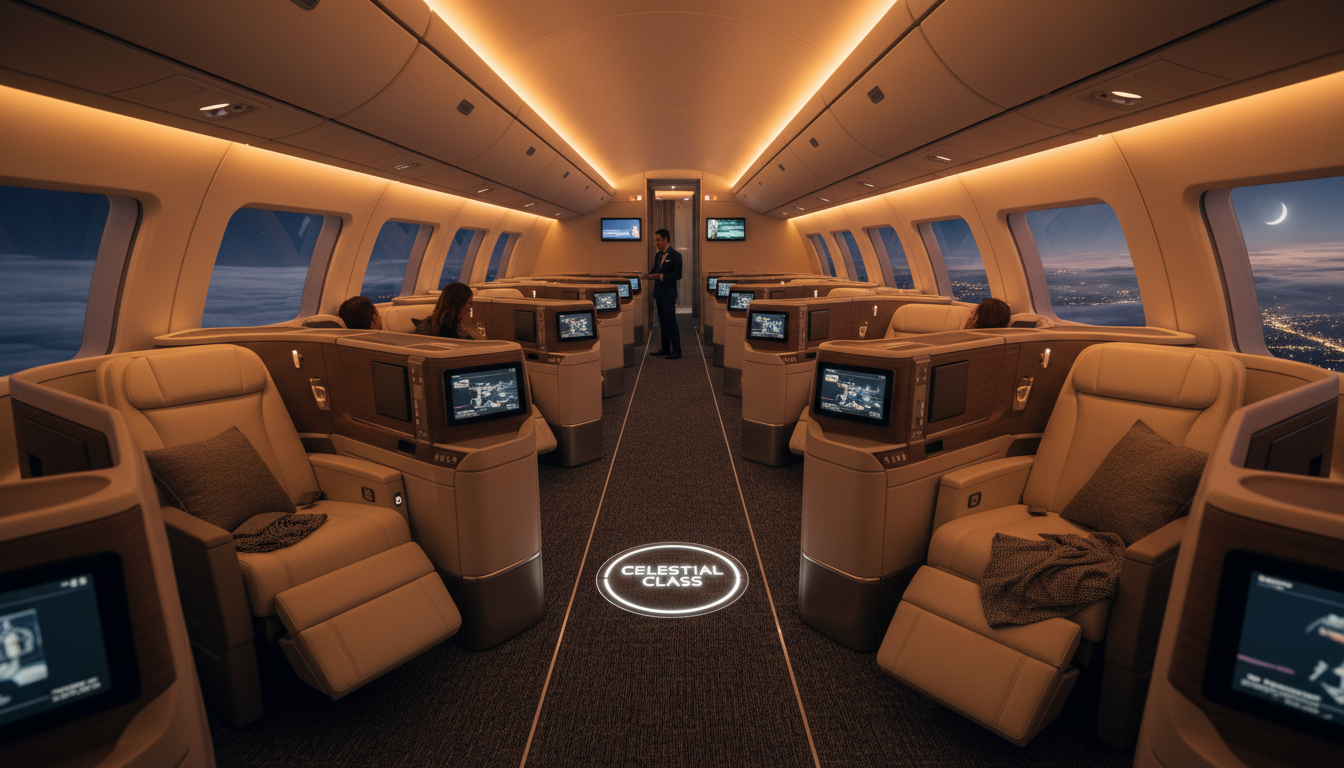
Knowing the cost range is useful; knowing which aircraft category to request is where most first-time charter customers go wrong. Booking the cheapest available aircraft without matching it to the mission wastes money in a different way, through cramped conditions, insufficient range, or a cabin that cannot support the working environment you need.
Category | Example Aircraft | Passengers | Best For |
|---|---|---|---|
Very Light Jet | Phenom 100, Citation M2 | 1-3 | Short hops under 2 hours: London or Eastbourne to Edinburgh, Amsterdam |
Light Jet | Citation CJ3, Learjet 45 | 4-6 | Intra-European routes, 3-4 hour range: Paris, Zurich, Dublin |
Midsize Jet | Citation XLS, Hawker 800 | 6-8 | Longer European routes; stand-up cabin supports working in flight |
Super Midsize / Heavy | Challenger 350, Global 6000 | 8-14+ | Transatlantic routes, large delegations, extended range |
For a sole executive doing a same-day return from London to Edinburgh, a very light jet is efficient and correctly priced. Put six colleagues on that aircraft for a Frankfurt roadshow and you have a problem. Conversely, booking a heavy jet for a two-hour hop to Amsterdam adds cost without adding value.
The midsize category deserves particular attention for UK business use. The stand-up cabin on aircraft like the Citation XLS makes a genuine difference on routes of two hours or more, where the ability to move around, spread documents, and hold a structured team briefing without contorting yourself matters to the quality of work produced.
One practical point that competitors consistently overlook: Wi-Fi availability is not standard across all aircraft types or ages. Older light jets in particular may have limited or no connectivity. If in-flight working is essential to your trip, confirm cabin connectivity at the point of enquiry rather than on the day of departure. This is precisely where working with a broker such as Villiers Jets via ELF adds operational value; the brief goes beyond price to aircraft specification, matching the right platform to what you actually need to accomplish in the air.
UK Business Routes Where Private Charter Makes the Most Sense
Aircraft selection narrows the field considerably. The next question is whether the route itself justifies private charter for business travel, and the answer is not the same for every itinerary.
London to European financial hubs
Frankfurt, Zurich, Amsterdam and Paris are the four routes where the business case is most consistently clear. Commercial options exist, but the door-to-door time saving on private runs to two or three hours per leg. More importantly, private enables same-day returns that commercial schedules make difficult or impossible. A 7am departure from Farnborough, a full morning of meetings in Zurich, and a return by early afternoon is a realistic private charter itinerary. On commercial, the same trip typically requires an overnight stay.
Inter-UK routes
London to Edinburgh, London to Belfast, and London to Birmingham or Manchester are underestimated use cases. The East Coast Main Line takes over four hours to Edinburgh; commercial air involves Heathrow or Gatwick processing that adds 90 minutes each way. Private charter from Biggin Hill or Farnborough to Edinburgh City Airport turns a day trip into a two-hour commitment each way.
South East England departures
For executives based in East Sussex, Surrey or Kent, Shoreham Airport (Brighton City Airport), Biggin Hill, Farnborough and Lydd offer practical alternatives to Heathrow and Gatwick. The difference in ground stress alone is significant, and routing through these airports can shave 45 to 60 minutes from the pre-flight process.
Multi-city European roadshows
London, Paris, Milan and Zurich across two days is not a realistic commercial itinerary. By private, it is routine. Research on multi-city charter itineraries consistently shows 30 to 50 percent time savings over equivalent commercial schedules, and for roadshow formats, private is often the only option that keeps the schedule intact. If this type of itinerary is relevant to your planning, get a tailored quote for your next business trip before assuming the cost is prohibitive.
Privacy, Security and Confidentiality: What UK Executives Actually Need
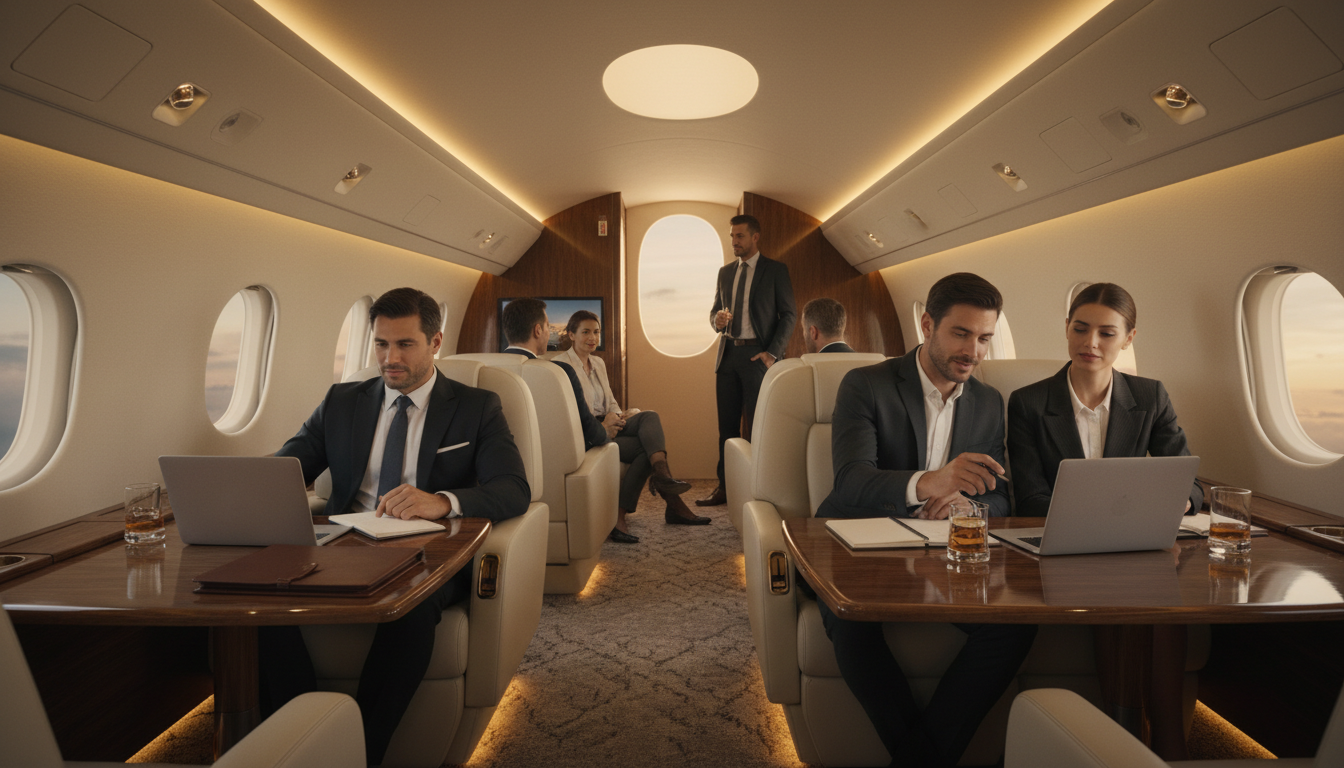
The routes and aircraft categories above address the operational case. But for a significant proportion of UK executives, the privacy and security dimensions of private jet charter for business travel are equally decisive, and far less superficially covered than the subject deserves.
Board-level M&A discussions carry real exposure on commercial aircraft. Business class cabins and shared lounges are not secure environments. Conversations about acquisition targets, restructuring plans or regulatory strategy can be overheard, and in the legal and finance sectors, the consequences of a disclosure breach extend well beyond embarrassment. GDPR and commercial confidentiality obligations make this a genuine compliance concern, not a theoretical one.
The same logic applies to physical materials. Travelling with sensitive documents, working prototypes or specialist equipment through commercial security creates complications that private charter eliminates entirely. The process is quieter, faster and does not require explanation.
For high-profile individuals, including CEOs, political figures and others with legitimate personal security requirements, private terminals at Farnborough, Biggin Hill and Oxford offer a fundamentally different departure environment. There are no public concourses, no shared waiting areas and no paparazzi pressure points. Arrival, processing and boarding happen within a contained, controlled space.
Data security is a further consideration that most travel planning ignores. Shared aircraft Wi-Fi networks on commercial services present real interception risk for anyone working on sensitive material in flight. A private cabin with a dedicated connection removes that vulnerability entirely, though connectivity should always be confirmed at the point of booking.
Charter vs Fractional Ownership vs Jet Card: Which Model Suits UK Business Travellers
The privacy and security considerations above often prompt a more fundamental question: once you have decided that private jet charter for business travel belongs in your toolkit, which access model actually makes sense for your usage pattern? This is a decision most articles sidestep entirely, yet it has a direct bearing on both cost and operational fit.
Model | Best For | Commitment | Key Trade-off |
|---|---|---|---|
Ad-hoc charter (broker) | 0-25 hours/year | None; pay per trip | Pricing varies by trip; no rate lock |
Jet card | 25-50 hours/year | Prepaid block of hours | Rate certainty, but aircraft type flexibility is limited |
Fractional ownership | 50-200 hours/year | Significant capital outlay | Depreciation risk; exit is complicated |
Ad-hoc charter suits the majority of UK executives and SME owners accurately. If you are flying 10 to 30 times per year but across varied routes and group sizes, committing capital to a jet card or fractional share locks you into a narrower aircraft category than most itineraries actually require. Booking through a broker means each trip is matched to the right aircraft for that specific mission, not to whichever type your prepaid programme covers.
Jet cards offer genuine value when your flying patterns are predictable and volume consistent. Rate certainty is the core advantage, and for executives logging 25 to 50 hours annually on similar routes, the arithmetic can favour a card. The constraint is flexibility; programmes typically limit which aircraft types your hours can be applied against.
Fractional ownership is a different category of decision. The entry cost runs to hundreds of thousands of pounds, depreciation is real, and exiting a share is rarely straightforward. For most UK executives, the capital is better deployed elsewhere.
For on-demand access to a global fleet without any ownership commitment, ELF works with Villiers Jets to source the right aircraft for each trip, handling quotes typically within hours of an enquiry.
How to Book a Private Jet Charter for Business Travel: A Step-by-Step Process

Knowing which model suits your usage pattern is one thing; understanding what actually happens when you make a booking removes the last practical barrier for executives approaching private charter for the first time.
1. Define your trip
Before contacting anyone, establish the basics: route, date, passenger count, luggage volume, and any specific requirements such as in-flight connectivity, catering preferences or ground transport at the destination. The more precisely you define the mission, the better the aircraft match will be.
2. Contact a broker
A broker is not an operator. Operators own and fly specific aircraft; brokers access the full market across multiple operators to find the right aircraft at the best price for your specific itinerary. This distinction matters because no single operator holds every aircraft type on every route.
3. Receive and compare quotes
A good quote specifies aircraft type, operator safety certification, all-in pricing including fuel surcharges and landing fees, and estimated flight time. Do not compare headline figures alone.
4. Confirm the charter agreement
Once you select an option, a formal charter agreement is signed. Review cancellation terms carefully, particularly for time-sensitive business itineraries.
5. Pre-flight logistics
Your broker coordinates FBO terminal details, ground transfers, and catering. These are not afterthoughts; confirming the departure terminal in advance avoids the one scenario private charter is specifically designed to eliminate.
6. Day of travel
Arrive 15 to 20 minutes before departure. There are no check-in queues, no security theatre, and no shared departure lounge. You board when you are ready.
ELF, working with Villiers Jets, manages this entire process and can typically return a quote within hours of an enquiry. To start, get a tailored quote for your next business trip.
In summary, mastering private aviation in 2026 involves more than just booking a flight; it requires a strategic approach to time management and luxury. For the modern UK executive, efficiency remains the ultimate goal. While the insights shared here offer a helpful starting point, coordinating complex itineraries often requires a more personal touch. If you want expert help navigating the nuances of charter travel, you can read more about how we support high level business requirements. Let us help you turn transit time into a competitive advantage.